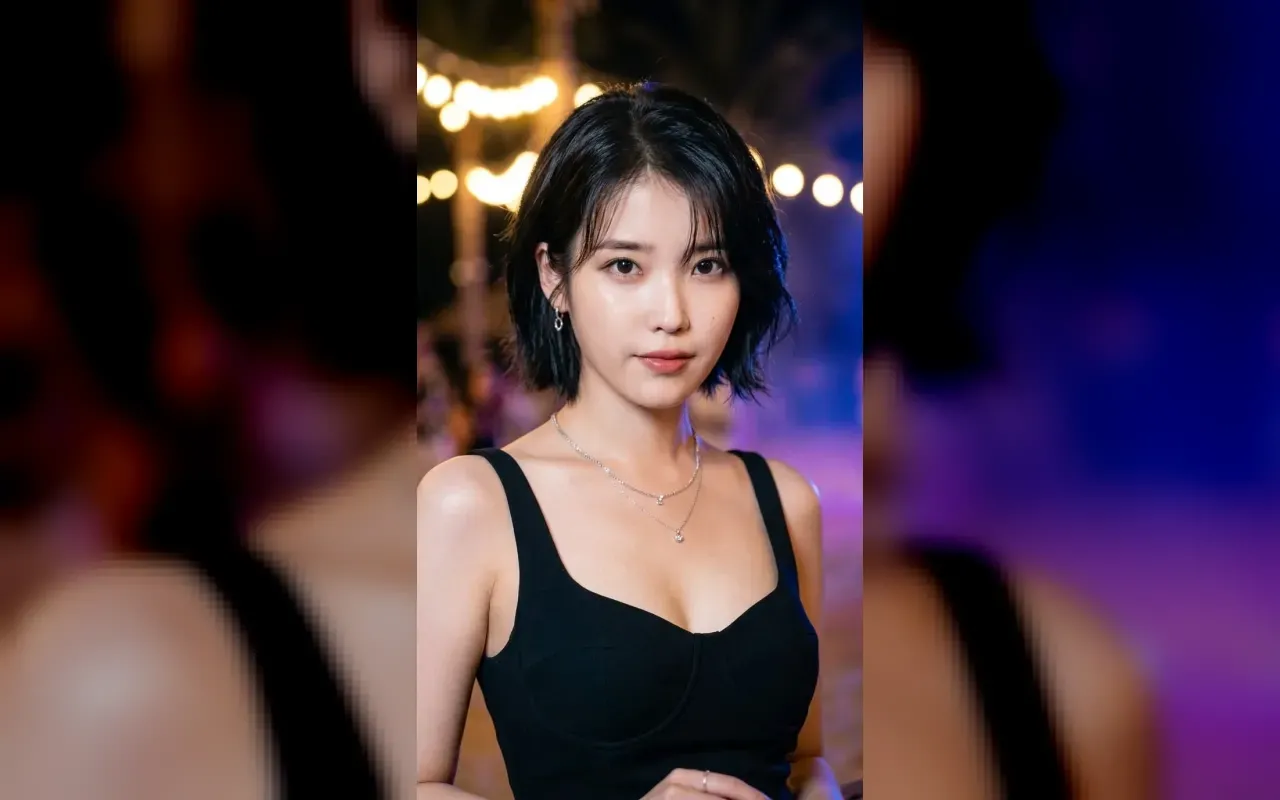
Digital Influencers Spark Debate at Wimbledon Following AI Reveal

AI-generated influencers are drawing significant attention at Wimbledon after several viral images featuring non-human personas surfaced online.
The prestigious tennis tournament, typically a gathering for global celebrities and elite athletes, has become a focal point for a new digital phenomenon. Recent social media activity highlighted several high-profile digital influencers whose appearances at the event sparked widespread discussion among spectators and online followers.
The Rise of Digital Personas
Among the most discussed figures is Mia Zelu, a digital personality whose striking visuals gained rapid traction across social media platforms. While many spectators initially believed she was a physical attendee at the matches, it has been confirmed that her presence is entirely synthetic.
This distinction between real-world attendees and AI-generated content highlights a growing trend in digital marketing and social media influence. The ability to create lifelike imagery allows for the deployment of virtual personas in settings traditionally reserved for human celebrities.
Impact on Social Media Perception
The sudden visibility of these digital figures at a major sporting event like Wimbledon raises questions regarding the authenticity of influencer culture. The confusion surrounding Mia Zelu and others suggests that the boundary between reality and artificial intelligence is becoming increasingly blurred for the general public.
Key observations regarding this trend include:
- Visual Realism: Advanced AI modeling creates lifelike textures and lighting that mimic real-world photography.
- Engagement Metrics: Digital personas can maintain constant presence and engagement without the physical limitations of human influencers.
- Audience Confusion: The seamless integration of synthetic imagery into real-world event contexts leads to widespread misinformation.
As artificial intelligence continues to evolve, the presence of non-human entities in cultural spaces is expected to increase, challenging how audiences verify the authenticity of the content they consume.