Shanghai Topone Data and Guoxin Huatai Visit KMUTNB for Tech Partnership
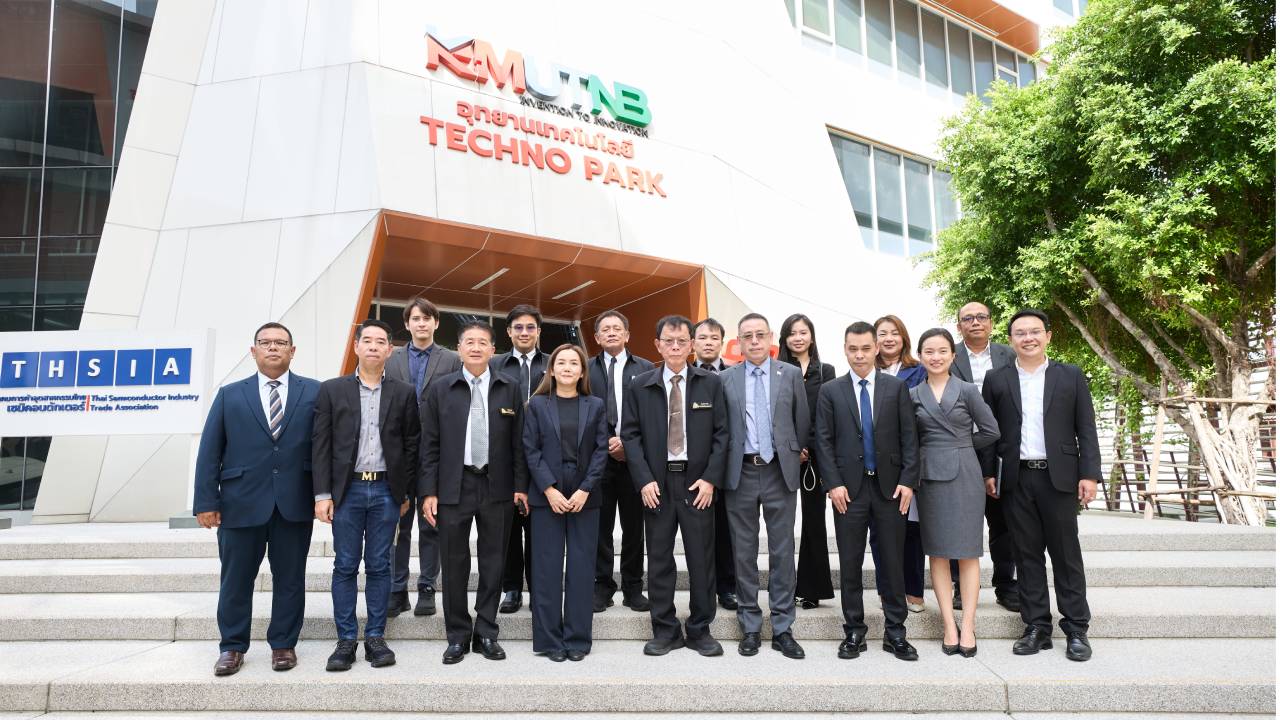
Shanghai Topone Data and Guoxin Huatai executives visited KMUTNB to explore innovative technologies and foster future academic-industrial partnerships.
King Mongkut's University of Technology North Bangkok (KMUTNB) recently welcomed a high-level delegation from Shanghai Topone Data, a prominent technology leader from the People's Republic of China, along with representatives from Guoxin Huatai. The purpose of the visit was to conduct a comprehensive study of the university's technological potential and to discuss potential collaborative frameworks in the realm of innovation and advanced engineering.
Advancing Technological Synergy
During the visit, the executives engaged with university leadership to observe the research facilities and technological ecosystems currently in place at KMUTNB. The discussions centered on how the university's specialized expertise can align with the industrial needs of major tech players like Shanghai Topone Data. By bridging the gap between academic research and commercial application, these visits aim to accelerate the development of next-generation technological solutions.
Key Objectives of the Collaboration
The exchange between KMUTNB and these industry giants highlights a growing trend of international cooperation in the high-tech sector. Potential areas of mutual interest discussed during the visit include:
- Exploring collaborative research projects in emerging technologies.
- Facilitating knowledge transfer between industry experts and academic researchers.
- Creating pathways for student internships and professional development within global tech firms.
- Evaluating the integration of new digital and automated systems within industrial workflows.
Strengthening International Tech Relations
As a leading technical institution in Thailand, KMUTNB continues to play a pivotal role in preparing the workforce for a technology-driven future. Welcoming international delegations from major technological hubs, such as those in China, allows the university to stay at the forefront of global trends. These strategic partnerships are essential for fostering an environment where innovation can thrive across international borders, benefiting both the educational sector and the global technology industry.