Pembela President: Public Education Institutions Are Not Religiously Neutral
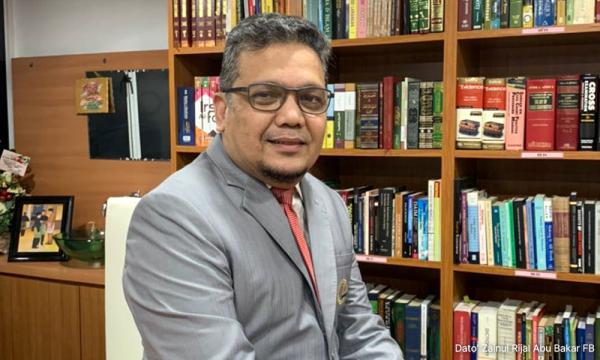
Pembela President Zainul Rijal Abu Bakar asserts that public education institutions are not religiously neutral due to constitutional mandates.
Zainul Rijal Abu Bakar, the President of Pembela, has recently addressed the specific role of religion within the public education system. In his latest remarks, he clarified that public educational institutions should not be characterized as maintaining a stance of religious neutrality.
The Constitutional Guarantee of Islam
The core of Abu Bakar's argument rests on the legal framework of the nation. He highlighted that the status and position of Islam are not merely social traditions but are formally recognized and guaranteed by the Federal Constitution. Because the constitution serves as the supreme law, the religious identity of the country is inherently woven into the fabric of its public institutions.
This perspective addresses ongoing debates regarding the separation of religion and state in public services. While some argue for a strictly secular or neutral approach in schools, Abu Bakar maintains that the constitutional protections for Islam ensure that public education reflects the nation's established legal and religious foundations.
Summary of Key Points
To better understand the implications of this stance, the following points summarize the President's position:
- Public educational institutions do not maintain a stance of religious neutrality.
- The position of Islam is a legally recognized and guaranteed entity under the Federal Constitution.
- The constitutional framework defines the religious landscape for public sector institutions.