
Washington DC air quality hits very unhealthy levels after fireworks
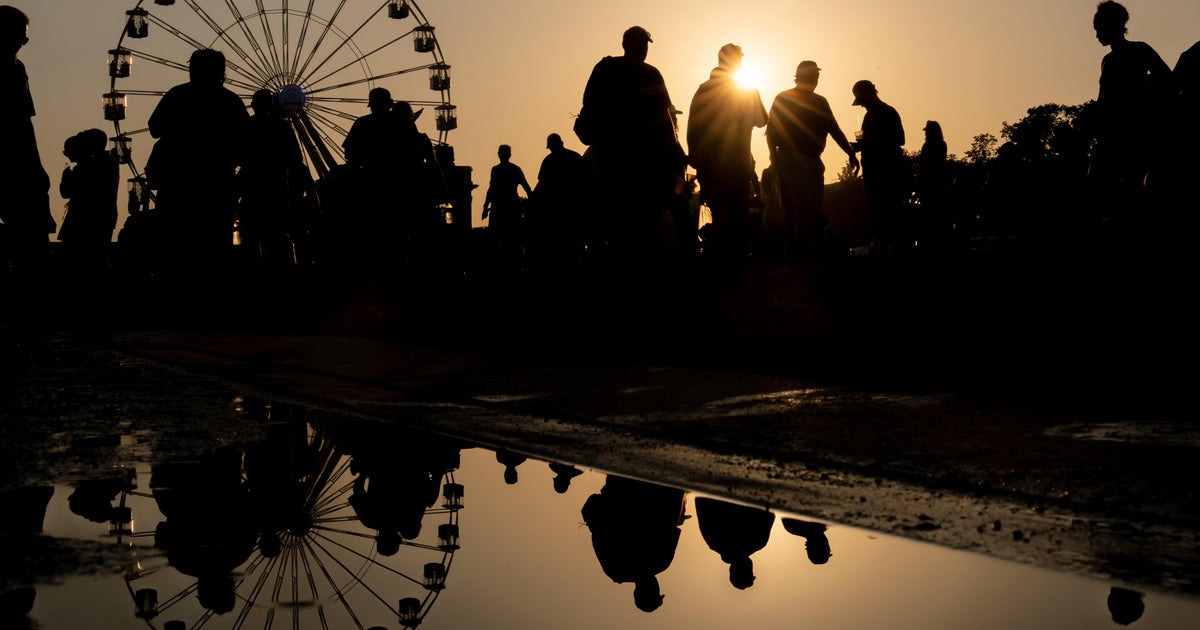
Washington DC and surrounding regions face very unhealthy air quality levels following smoke released during July 4th firework displays.
Air quality alerts issued
Environmental monitoring stations in Washington, D.C. and the neighbouring metropolitan areas have triggered a 'purple' air quality alert. This classification indicates that pollution concentrations have reached levels deemed very unhealthy for the general population.
The deterioration in atmospheric conditions coincides with the aftermath of Independence Day celebrations. The combustion of pyrotechnics released significant amounts of particulate matter into the lower atmosphere, contributing to the spike in pollutant readings.
Health implications and precautions
During periods of purple-tier air quality, health officials typically advise specific precautions for residents. The elevated levels of fine particulate matter can pose risks to vulnerable groups, including:
- Children and teenagers
- The elderly
- Individuals with pre-existing respiratory conditions, such as asthma
- People with cardiovascular diseases
While the general public may experience minor irritation to the eyes, nose, or throat, those in sensitive groups are encouraged to limit prolonged or heavy exertion outdoors. Reducing physical activity in open-air environments can help minimise the inhalation of concentrated pollutants.
Monitoring and atmospheric conditions
The sudden decline in air quality is a direct result of the heavy smoke plumes generated by large-scale firework displays across the capital. Depending on local wind speeds and atmospheric stability, these particles can linger at ground level, preventing the dispersion of pollutants.
Local environmental agencies continue to monitor real-time data from various sensors throughout the district. Residents are advised to check updated air quality index (AQI) reports regularly to determine when it is safe to resume normal outdoor activities. As weather patterns shift, officials expect the levels to fluctuate, with dispersion expected once wind speeds increase or atmospheric mixing improves.