EU Commission proposes doubling electricity use across Europe
,xPosition=.5,yPosition=.5;Resize=(1200,675))
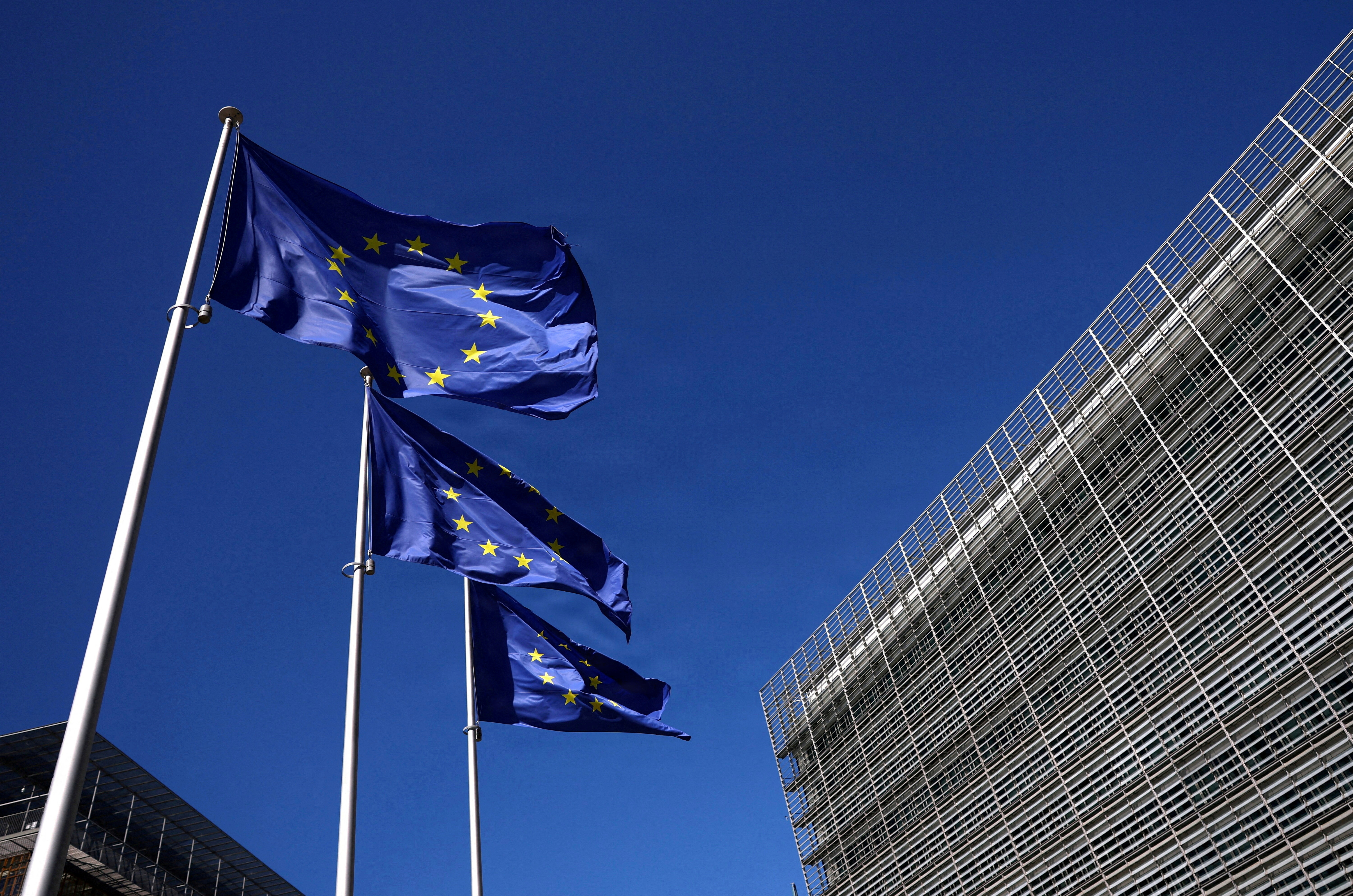
The European Commission has proposed a new strategy to double the electrification of energy consumption across the continent to meet climate targets.
Accelerating the transition to electricity
European energy consumption must move significantly towards electricity to achieve long-term sustainability goals. A new proposal from the European Commission outlines a framework designed to double the current level of electrification within the European Union's energy mix.
The initiative focuses on shifting sectors that currently rely heavily on fossil fuels toward electric-powered alternatives. This transition is viewed as a fundamental component of the bloc's broader strategy to reduce carbon emissions and enhance energy security.
Strategic objectives for the energy sector
The proposed measures aim to integrate more electrical energy into various industries and domestic settings. By increasing the share of electricity in total energy consumption, the Commission intends to facilitate a more efficient and decarbonised energy landscape.
Key areas targeted for increased electrification include:
- Transport: Moving from internal combustion engines to electric vehicles.
- Heating: Replacing gas-fired boilers with electric heat pumps.
- Industrial processes: Transitioning heavy manufacturing towards electric-driven technologies.
Infrastructure and implementation
Achieving a doubling of electrification will require substantial upgrades to the existing power grid. The Commission's plan implies a need for increased investment in renewable energy sources to ensure that the expanded demand for electricity is met with clean power.
The proposal seeks to synchronise energy production with the rising demand for electric-based heating, transport, and manufacturing. This alignment is necessary to prevent grid instability and to ensure that the transition does not compromise the reliability of the European energy supply.