
How Korean industries drive global K-fashion and K-food trends
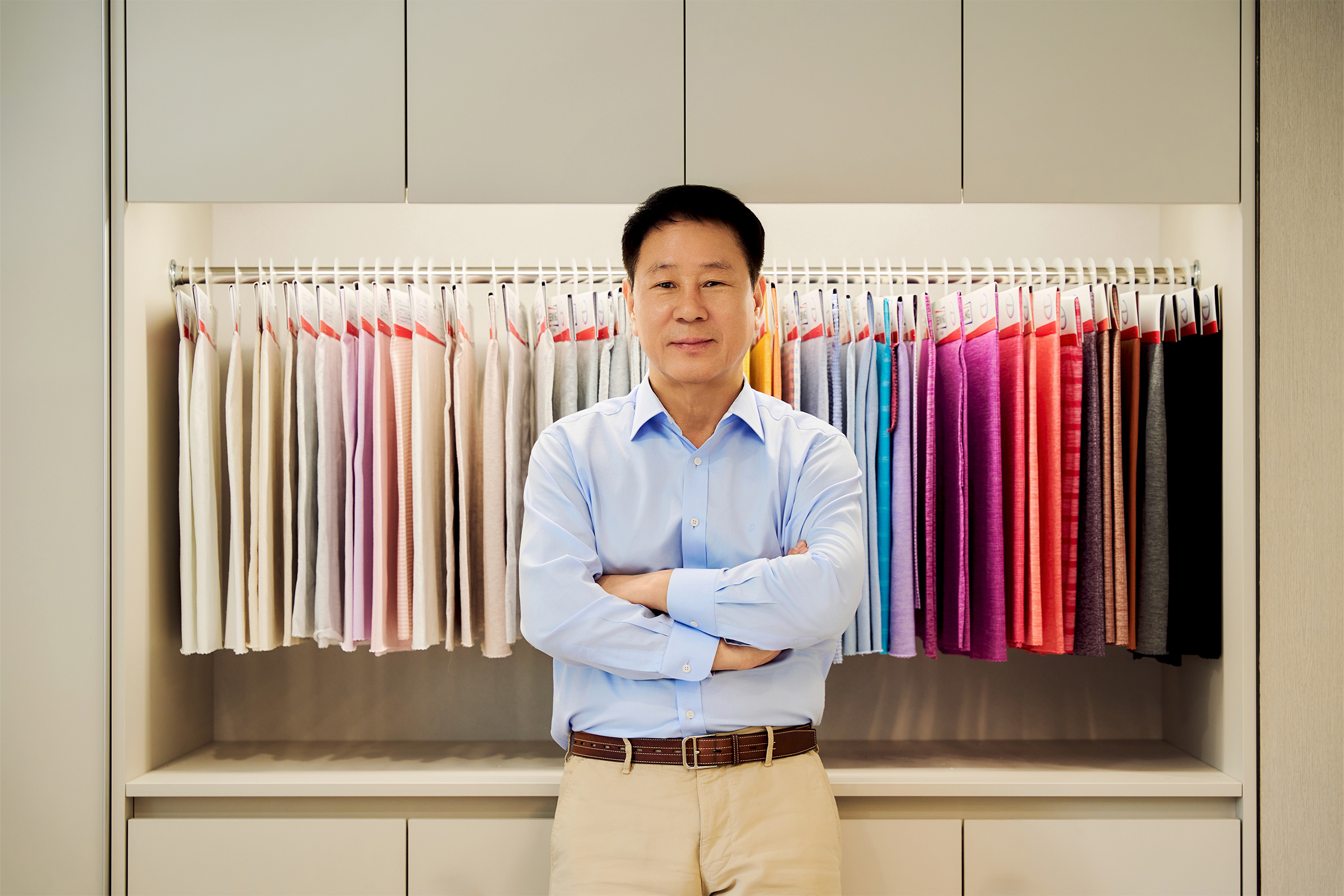
South Korean textile and food producers are powering the international expansion of K-fashion and K-food through advanced supply chains.
Driving the K-fashion movement
The global surge in popularity of South Korean fashion trends is heavily supported by a sophisticated domestic textile industry. Local companies provide the specialized technical expertise required to produce high-quality materials that meet international design standards.
These manufacturers focus on high-level textile expertise to ensure that the aesthetic demands of global markets are met with consistent quality. By maintaining robust production capabilities, these firms allow fashion labels to scale rapidly across different continents.
Seaweed and the K-food expansion
The rapid rise of K-food on the world stage is being underpinned by significant advancements in seaweed production and food processing. South Korean seaweed producers have established themselves as primary suppliers to global markets, leveraging traditional expertise alongside modern industrial techniques.
Key factors contributing to this growth include:
- Supply-chain reliability: Consistent delivery models that support large-scale international retail.
- Production scale: The ability to meet increasing global demand for processed seaweed products.
- International expansion: Strategic moves by Korean food companies to establish a presence in foreign markets.
Strategic supply chain advantages
Beyond the end products, the underlying success of these lifestyle trends relies on highly integrated supply chains. Korean companies have focused on logistics and reliability to ensure that both fashion and food products reach global consumers efficiently.
This industrial backbone allows Korean brands to move beyond niche markets and compete directly with established global players. The combination of manufacturing precision in textiles and specialized agricultural output in the food sector provides a dual engine for South Korea's growing cultural influence.


