
Investors assess impact of South Korea’s debt relief drive
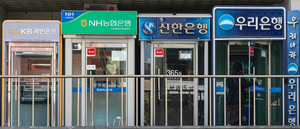
South Korean banks ramp up debt relief for struggling borrowers as Seoul's inclusive finance drive triggers investor concern over potential costs.
Financial institutions in South Korea are significantly increasing debt relief efforts for borrowers facing financial hardship. This surge in relief measures follows an intensified push from the South Korean government to implement "inclusive finance" policies across the nation's economy.
Investor scrutiny intensifies
As lenders increase their support for troubled debtors, investors are closely monitoring the impact on the banking sector's financial health. There is growing concern regarding how much of the cost burden will fall on private lenders and how these relief efforts might affect long-term profitability and risk management strategies.
The central debate revolves around the scale of these interventions. While the government aims to provide a necessary social safety net, the market is questioning the extent to which banks will be required to absorb the costs of these programmes.
Potential implications for banks
- Reduced profit margins due to increased relief expenditures.
- Heightened credit risk assessment requirements.
- Increased regulatory pressure to support social finance initiatives.
The ongoing shift highlights a tension between government-led social objectives and the commercial interests of South Korea's major financial institutions. As the policy continues to evolve, market analysts will be watching to see if the current relief measures remain sustainable for the banking industry.


